
Acoustic diagnostics of cable lines
Inspection of high-voltage cable lines with the NAC-PU portable camera: searching for signs of defects in cable joints and preparing reports in Aura SVS.
The assessment of the potential consequences of a failure is based on open data. Actual costs are determined by the equipment characteristics and the scale of the incident.
About the project
- Industry
- Energy
- Object
- High-voltage cable lines and cable joints
- Format
- Walk-arounds with a portable ultrasound camera
- Equipment and Software
- NAC-PU and Aura SVS
Task: to find signs of defects on long routes
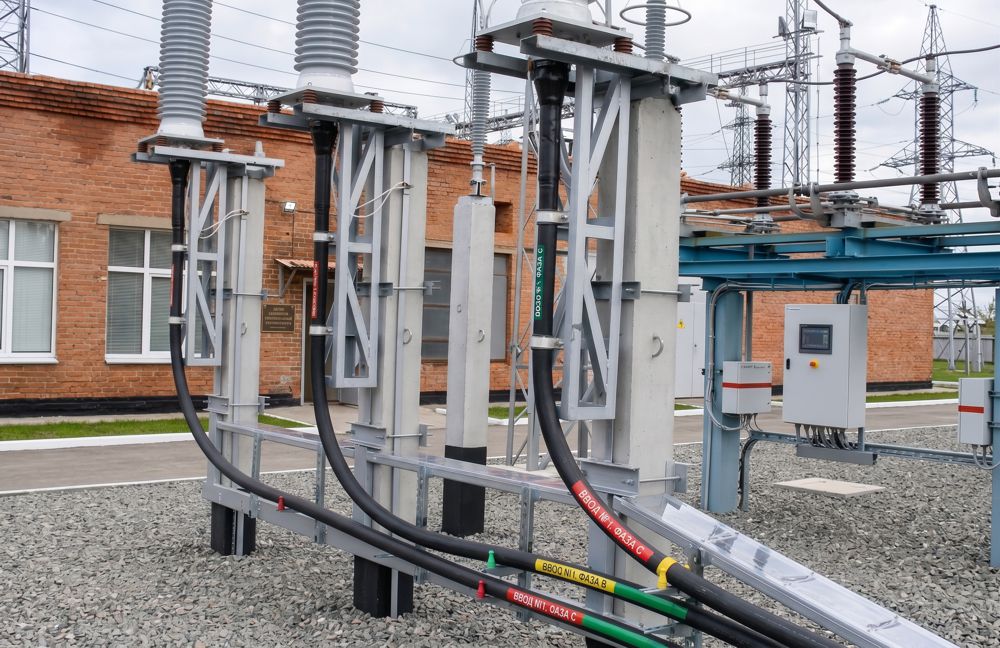
At the power facility, it was necessary to identify defective couplings of high-voltage cable lines in order to schedule equipment inspection and maintenance in a timely manner.
The survey covered over 25 km of overpasses and galleries, over 6 km of tunnels, as well as cable mezzanines and basements. The total length of cable lines was approximately 1,000 km.
When there are a large number of closely spaced lines, it is important to identify a specific signal source and maintain the linkage of the results to the node being surveyed.
Survey scope
Project-specific data. Survey duration depends on equipment and access conditions.
Solution: Visualization of discharge activity
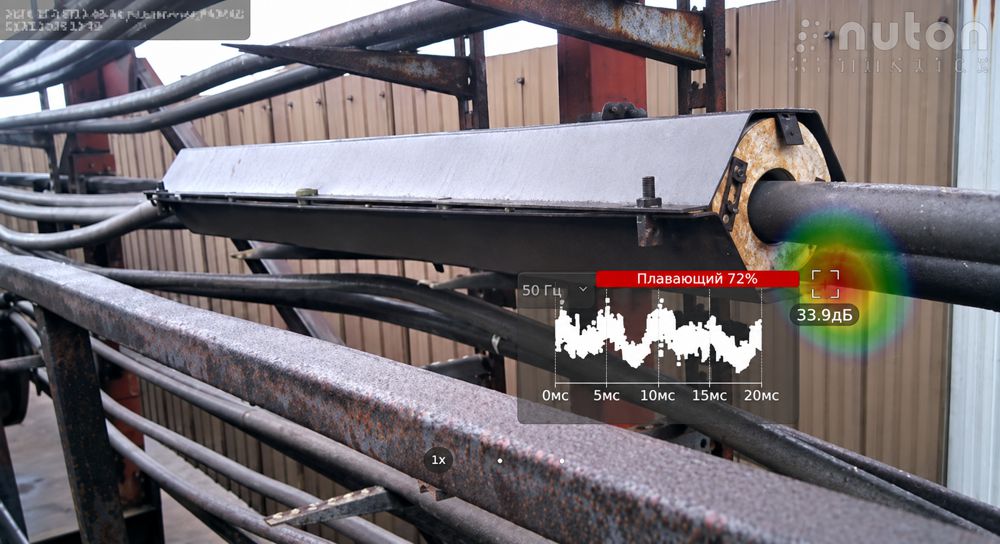
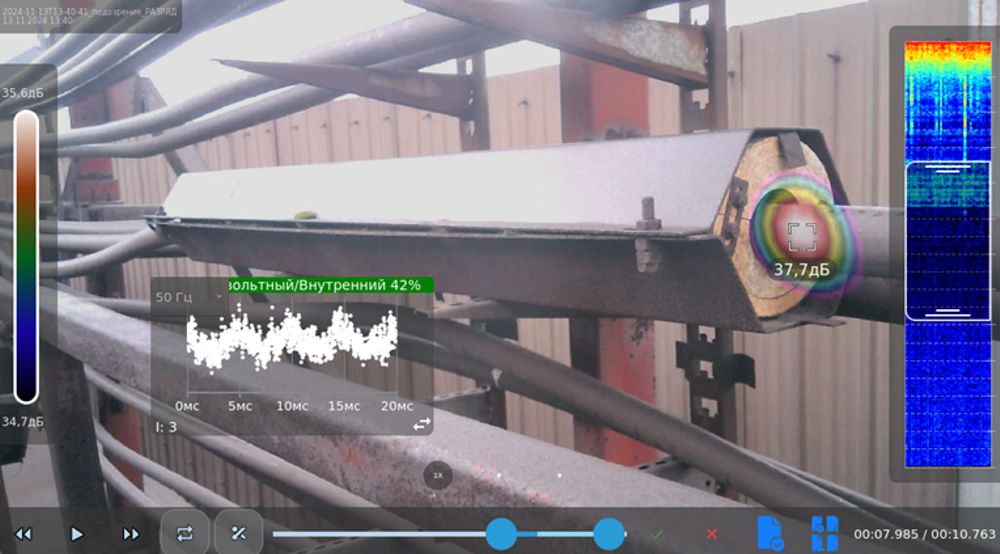
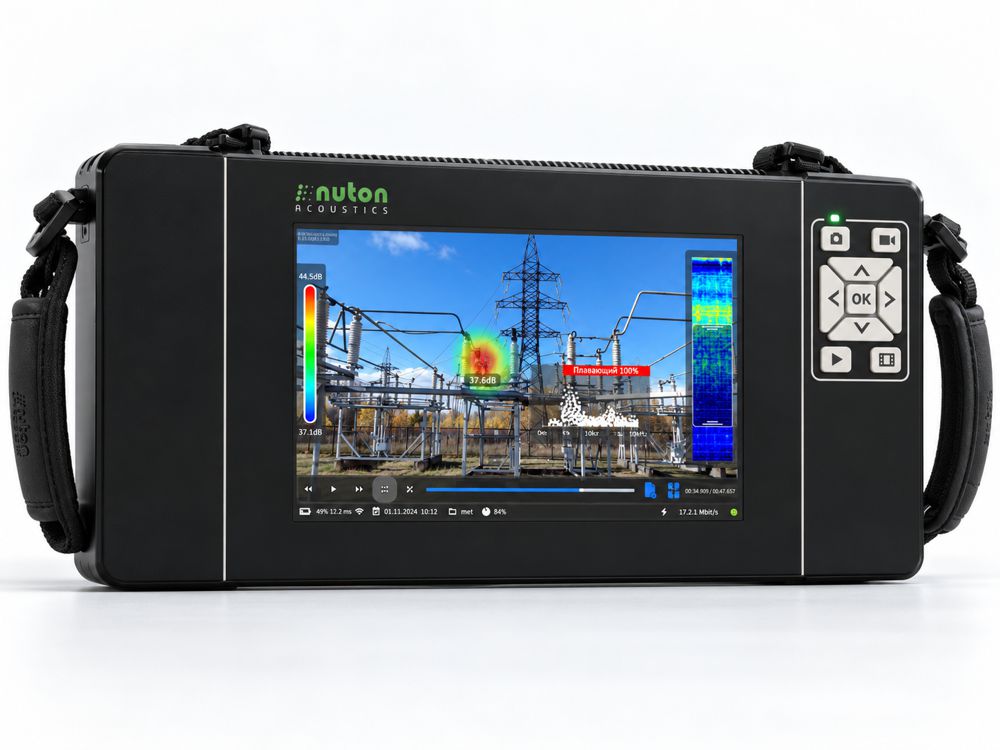
A portable NAC-PU ultrasound camera was used for the surveys. The camera helped identify and localize acoustic signals associated with developing defects in cable joints and evaluate discharge activity in real time.
The operator saved acoustic data recordings and added notes. The materials were then processed in Aura SVS for automated report generation.
From walkthrough to report
Inspect cable routes
Consistently check accessible areas in galleries, tunnels and cable rooms.
Determine the signal source
Find areas with signs of discharge activity and identify nodes for further testing.
Save data and notes
Record acoustic data and add information about the surveyed area.
Prepare the results
Generate a report in Aura SVS and submit the materials to operation specialists.
Result: data for maintenance planning
According to project documentation, the cable inspection took approximately four weeks. During the survey, the operator recorded acoustic signals and notes for subsequent reporting.
Practical benefit: Localizing defect signs and storing results helps prioritize cable joint inspections, plan maintenance, and reduce the risk of unscheduled outages.
Where else might this approach be useful?
Acoustic surveys help detect signs of discharge activity in cable joints and terminations. This approach is applicable to high-voltage cable lines accessible for inspection, taking into account sound propagation conditions and background noise.
Metallurgy and mining and processing plants
Feed lines for rolling mills, cranes, pumping stations, and electrolysis shops. Inspection of couplings on overpasses, in inter-shop galleries, and distribution points.
Petrochemicals, oil refining and gas processing
Search for signs of defective joints on cable trays and in galleries. For hazardous areas, equipment design is selected according to the site's requirements.
Mining industry
Overhead cable routes of processing plants, crushing plants, and conveyor galleries. Inspection of couplings and terminations in dusty and vibration-intensive environments.
Mechanical engineering and assembly production
Cable lines in industrial buildings, overpasses, and distribution points. Localization of suspicious signal sources for inspection and maintenance planning.
Transport infrastructure
Cable tunnels, collectors, and galleries of railways, metro stations, airports, and depots. Surveys taking into account sound reflections and background noise.
Energy
Power plant and substation cable lines, indoor and outdoor switchgear. Detection of partial discharge sources in joints and terminations among parallel lines.
Data centers and telecommunications facilities
High-voltage power lines and distribution devices. Preventive inspection of cable joints and connections that determine power supply reliability.
Public utilities and urban networks
Accessible cable lines in sewers, tunnels, and overpasses. Searching for signs of lightning activity during routine inspections of urban infrastructure.
Shipbuilding, ports and terminals
High-voltage cable lines in buildings, trays, and galleries. Inspection of joints at sites where equipment is exposed to moisture, vibration, and salt fog.
Solutions for a similar problem
Portable camera for examinations and software for working with saved data.

Need to inspect cable lines?
Tell us about your equipment and access conditions – we’ll discuss the possibilities of acoustic diagnostics and the examination format.
Discuss Your Needs
Leave your contact details, and we’ll get in touch within one business day to discuss your needs and find the right solution.