
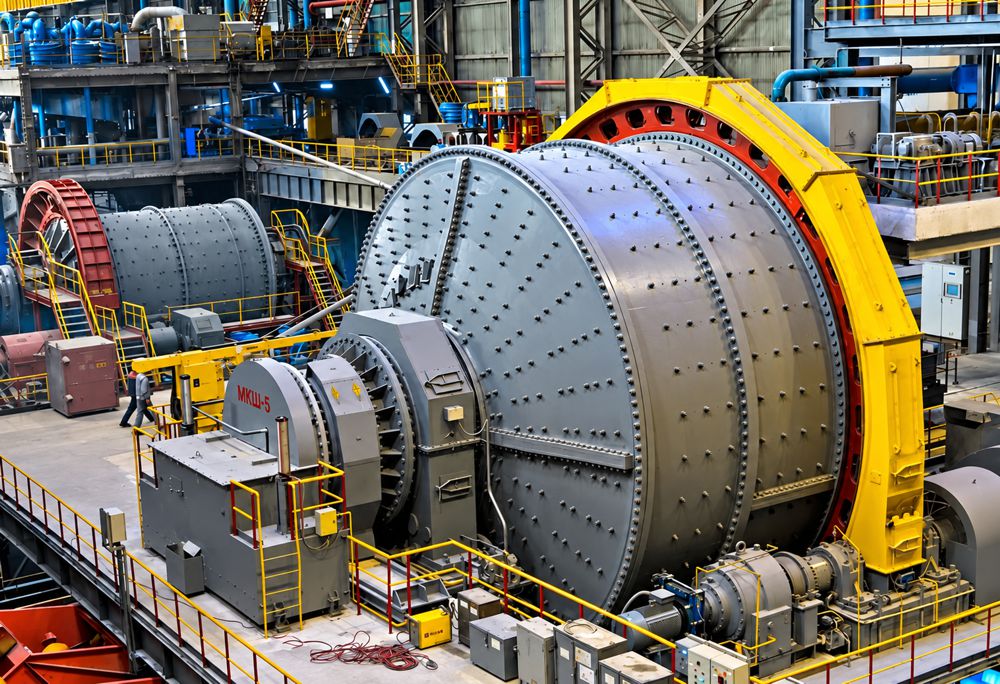
Preventing the destruction of mill linings
Continuous acoustic monitoring of the mill: identification of zones of uneven ore impacts on the lining for timely adjustment of the operating mode.
These are approximate estimates from case materials, compiled using publicly available data. They do not represent losses or savings at the customer's site. Actual costs depend on the equipment and the extent of damage.
About the project
- Client
- Mining and Chemical Plant
- Industry
- Chemical Industry
- Object
- Lining of a beneficiation mill
- Format
- Continuous stationary monitoring
- Equipment
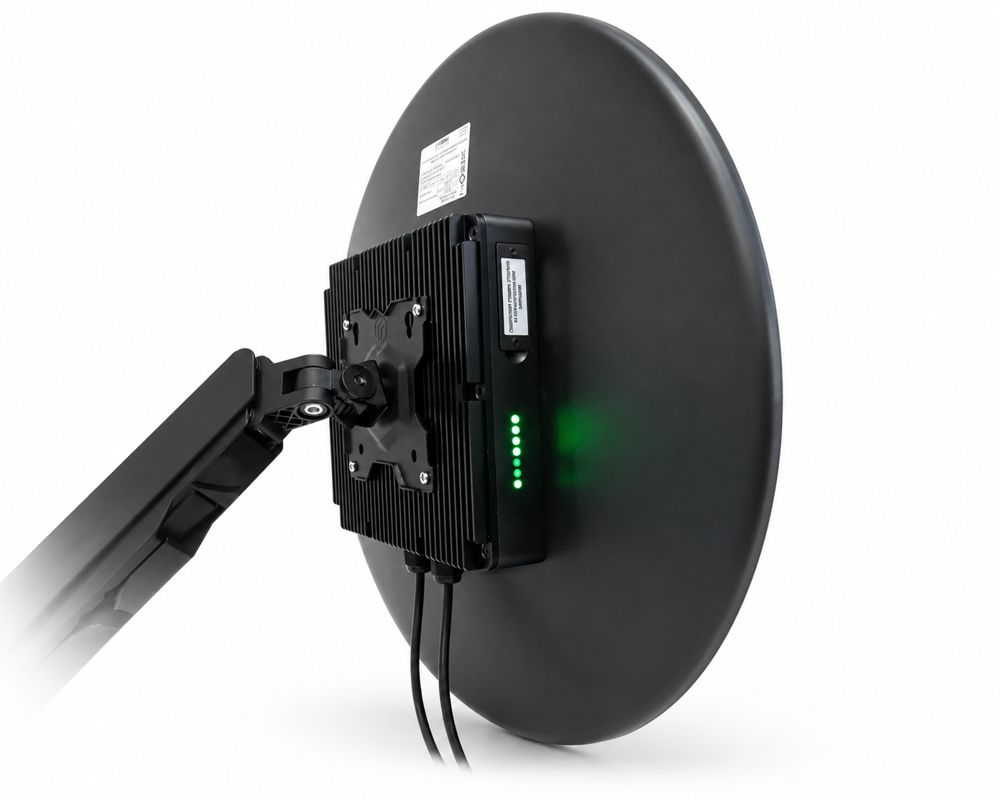
- NACEx-SA Stationary Acoustic Camera
- Software
- Aura AcoMS
Objective: to identify dangerous operating modes of the mill
The lining protects the mill body from intense wear and tear and is constantly subjected to mechanical stress. Over time, damage accumulates in the metal, which can lead to cracks and failure.
Underloading or overloading the mill, improper rotation speed, and grinding media jamming in the lining grooves accelerate wear. Lining damage leads to extended shutdowns and costly repairs.
The customer needed to receive information about changes in the mill's operation in order to promptly adjust the operating mode and prevent emergency situations.
In addition to repair costs and downtime, mill malfunctions can reduce the efficiency of grinding and subsequent enrichment, increase energy consumption, and accelerate wear of grinding media, bearings, and drive components.
Solution: Continuous acoustic monitoring
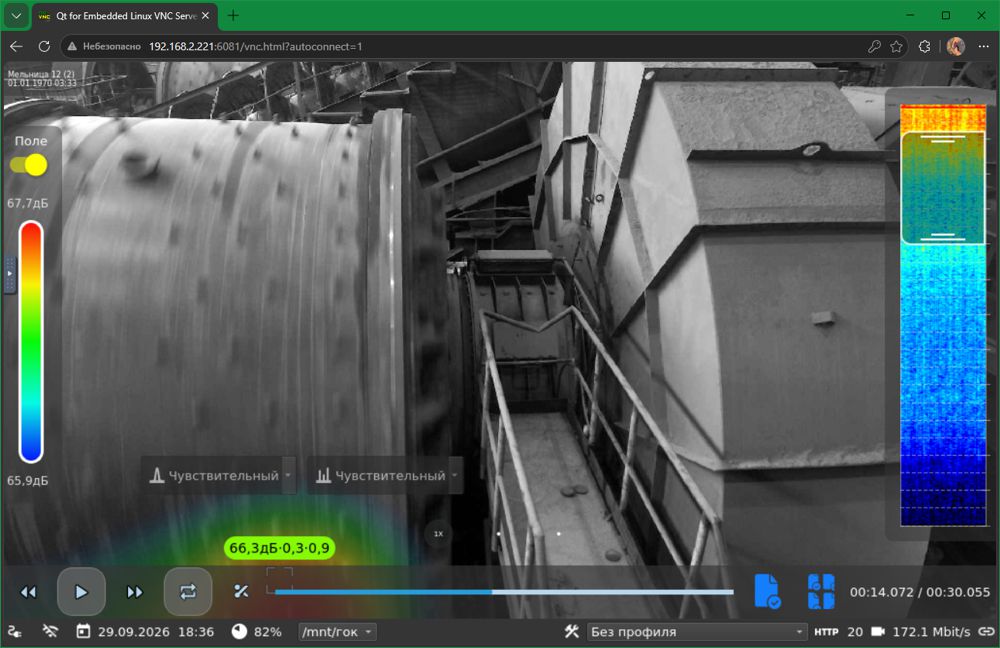
A continuous monitoring system with NACEx-SA fixed acoustic cameras and Aura AcoMS acoustic monitoring software was installed at the facility.
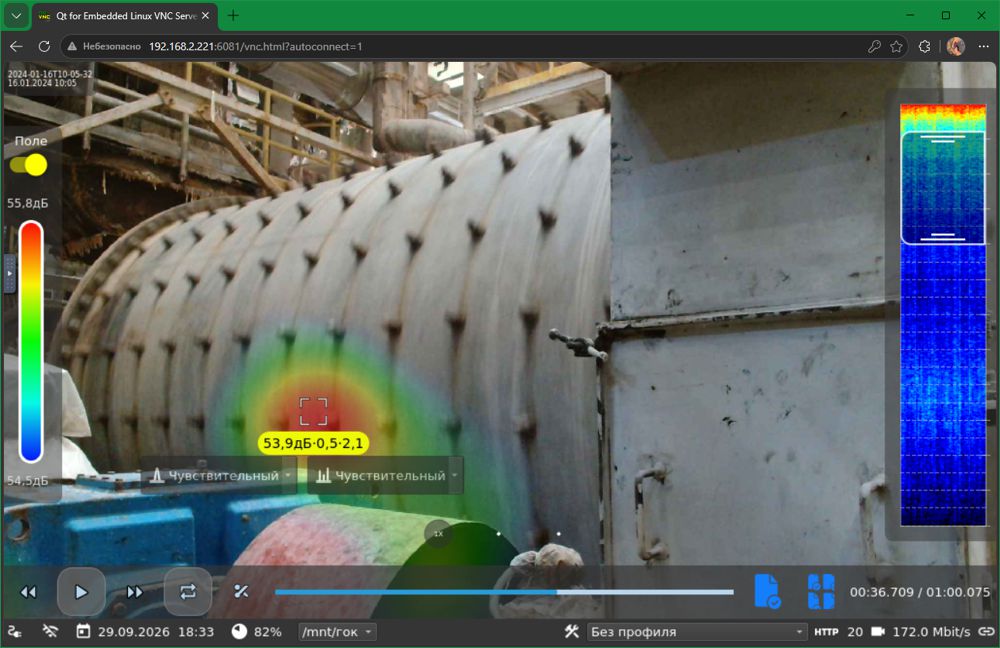
The system displays the location of sound sources on an image of the equipment. During the work, it was possible to identify areas of uneven ore impacts on the lining—areas requiring attention when assessing the mill's operating conditions.
Information is received in real time and helps personnel make decisions about adjusting the load and operating mode.
How the system was implemented
Selecting installation locations
A preliminary survey was conducted and the locations for acoustic cameras, as well as the available power supply parameters, were determined.
Network and server equipment
We agreed on data transmission routes, the possibility of connecting to the enterprise network, the placement of server equipment, and access to it.
Project approval
We prepared a design for the placement of components of the continuous monitoring system and agreed on it with the customer.
Installation and commissioning
After approval, we installed and commissioned the system for monitoring the operating mill.
Result: localization of uneven impacts
During the course of the work, the system demonstrated its ability to display locations of uneven ore impacts on the mill lining during operation. This allows for the identification of areas at risk of damage.
Continuous monitoring provides personnel with information to adjust the mill load and operating mode in real time.
The practical result is the ability to see the distribution of impact noise sources and use this data when choosing the mill operating mode.
Where applicable
This approach can be applied at facilities that use mills and require monitoring of impact loads on the lining. The feasibility and location of the cameras are determined during a site survey.
Gold mining
Autogenous and semi-autogenous grinding mills at gold ore beneficiation plants.
Copper industry
Ore preparation mills at copper mining and processing plants.
Iron ore beneficiation
Areas for crushing magnetite and hematite ores before subsequent stages of enrichment.
Polymetallic ores
Mills operating under conditions of changing hardness and composition of the processed ore.
Mining and chemical raw materials and fertilizers
Areas for crushing apatites, phosphorites and other mineral raw materials.
Cement and building materials
Milling equipment for raw material preparation and production of building materials.
Refractories and abrasives
Mills for processing hard and abrasive raw materials with high impact loads.
Equipment and Software
Components of the continuous acoustic monitoring system used in the project.

Need mill monitoring?
Tell us about your equipment and how it operates—we'll discuss acoustic monitoring capabilities and system placement at the facility.
Discuss Your Needs
Leave your contact details, and we’ll get in touch within one business day to discuss your needs and find the right solution.