
Determination of air leaks at thermal power plants
Searching for leaks in the vacuum system of operating equipment: localizing air leaks using the NAC-PU camera and preparing a report in Aura SVS.
What causes air leaks?
Hypothetical scenarios from the natural gas case study: 6,000 operating hours per year and a fuel cost of 4,000 rubles/ton. These are estimated costs, not the actual losses of the surveyed CHP plant. The amount of losses depends on the turbine characteristics, load, and operating mode.
About the project
- Client
- Thermal power plant
- Industry
- Energy
- The task
- Identifying air leaks in a vacuum system
- Format
- Walk-throughs of operating equipment
- Equipment
- NAC-PU
- Software
- Aura SVS
Task: Find air leaks
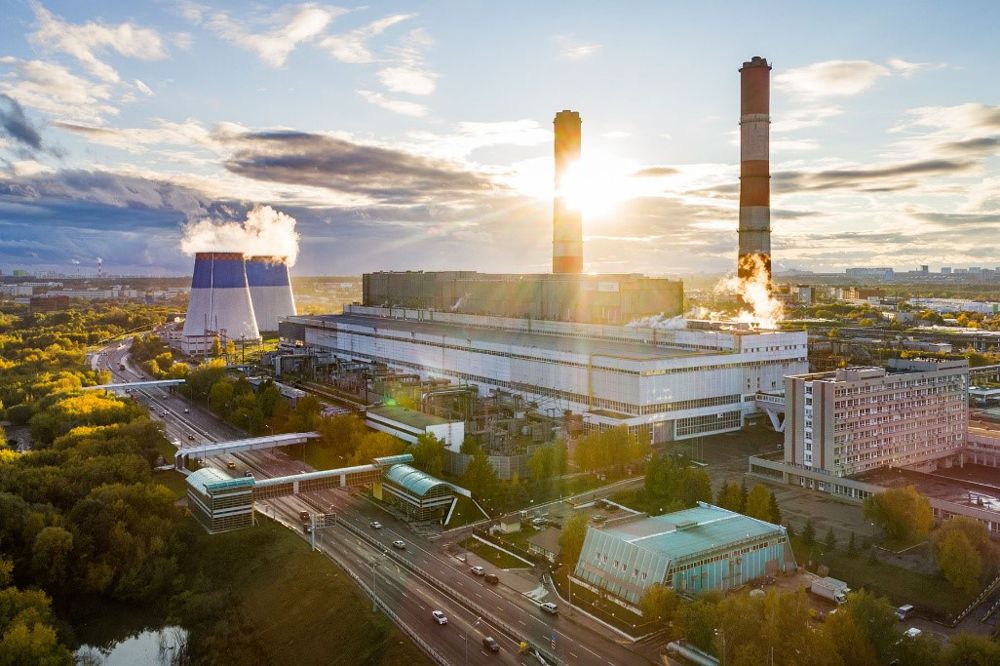
Suction leaks occur when atmospheric air enters through leaks in components operating under vacuum. At combined heat and power plants, such leaks occur in condenser flanges, expansion joints, seals, tube sheets, and turbine low-pressure cylinder end seals.
Air ingress degrades the vacuum and efficiency of the turbocharger, increases fuel consumption, and complicates maintaining water chemistry. Specific leaks needed to be identified for subsequent inspection and repair.
Visual detection methods, leak detectors, thermal imaging, and pressure testing were used at the site. Some methods required close access to the equipment or its shutdown. Indirect indicators, such as temperature changes, did not always allow for reliable identification of the source of the leak.
The purpose of the survey is to localize sources on operating equipment and preserve materials for maintenance planning.
Solution: Ultrasound imaging
A portable NAC-PU ultrasound camera and Aura SVS software were used for the examination. The camera recorded ultrasound from the turbulent flow at the suction site and displayed the source location on an image of the equipment.
Contactless tracing allowed for inspection of operating components without introducing tracer gases, steam, or water. An acoustic map helped identify sources in areas with multiple potential leaks.
A thermal imager shows temperature changes, which can have various causes. An acoustic camera helps localize the ultrasound generated when air passes through a leak.
How was the examination conducted?
Vacuum system control
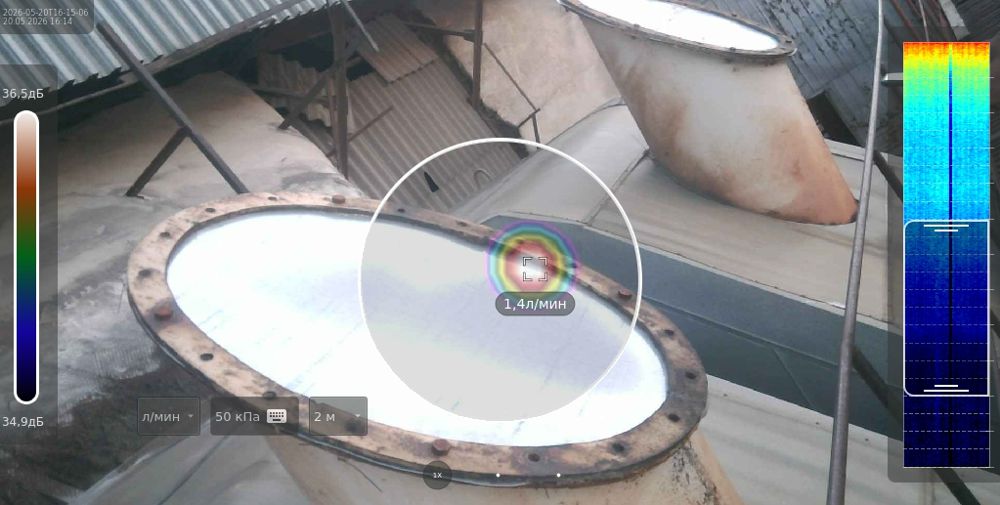
The operator examined the operating units of the thermal power plant using the NAC-PU camera and observed the acoustic map in real time.
Search for leaks
Flanges, expansion joints, end seals, tube sheets and glands were checked, highlighting areas with ultrasonic sources.
Notes and notes
Acoustic data were stored in container files and supplemented with notes about the location and conditions of the survey.
Processing in Aura SVS
A report was prepared based on the saved materials. Comparing repeat inspections helps track changes and plan inspections.
Result: localization of areas with suction cups
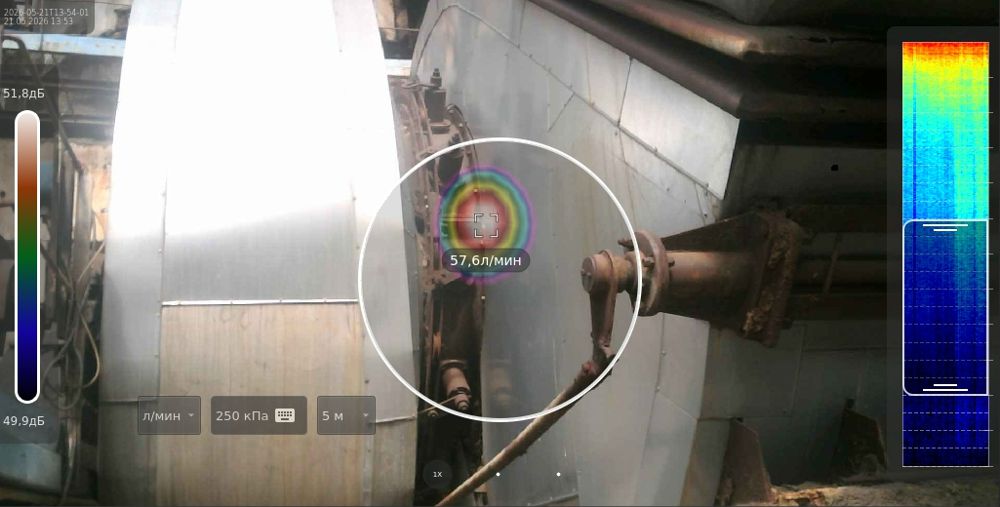
During the survey, we localized the sources of ultrasound associated with air leaks and recorded the data for subsequent analysis. The method proved useful on condenser flanges and expansion joints, low-pressure cylinder end seals, tube sheets, and glands.
The acoustic map helped identify specific areas for inspection, including hard-to-reach locations and areas near multiple potential sources. The saved recordings and notes were used to prepare the Aura SVS report and plan maintenance.
Where applicable
A similar approach can be used to detect leaks in other vacuum systems, taking into account process conditions and the availability of a sound source.
Chemical and petrochemical industry
Reactors, columns and vacuum filters, pipeline connections and valve seals.
Metallurgy
Vacuum furnaces and degassing chambers, door seals and pump connections.
Mechanical engineering and materials processing
Vacuum forming, composite impregnation and coating installations.
Food industry
Vacuum packaging, drying and deaeration: chambers, valves and vacuum supply lines.
Electronics and semiconductor manufacturing
Vacuum chambers for coating and etching, module joints and port seals.
Pharmaceuticals
Vacuum drying units and reactors, line connections, valves and pumps.
Aspiration and industrial dust removal systems
Flexible hoses, air duct connections and local exhaust seals.
Equipment and Software
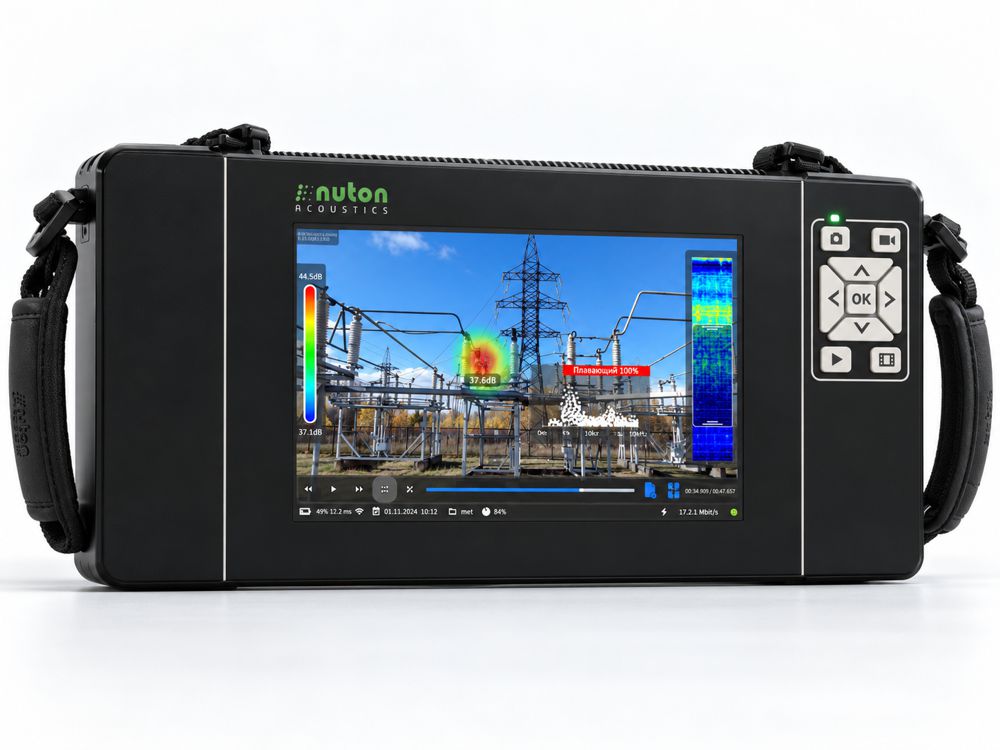
A camera for detecting air leaks and software for analyzing recordings and preparing reports.

Need to find air leaks?
Tell us about your equipment and inspection conditions, and we'll find a solution for finding leaks in your vacuum system.
Discuss Your Needs
Leave your contact details, and we’ll get in touch within one business day to discuss your needs and find the right solution.