
Inspection of a flour mill
Non-contact inspection of drives, augers, fans and pneumatic systems using NAC-PA and NACEx-PU cameras with analysis of recordings in Aura SVS.
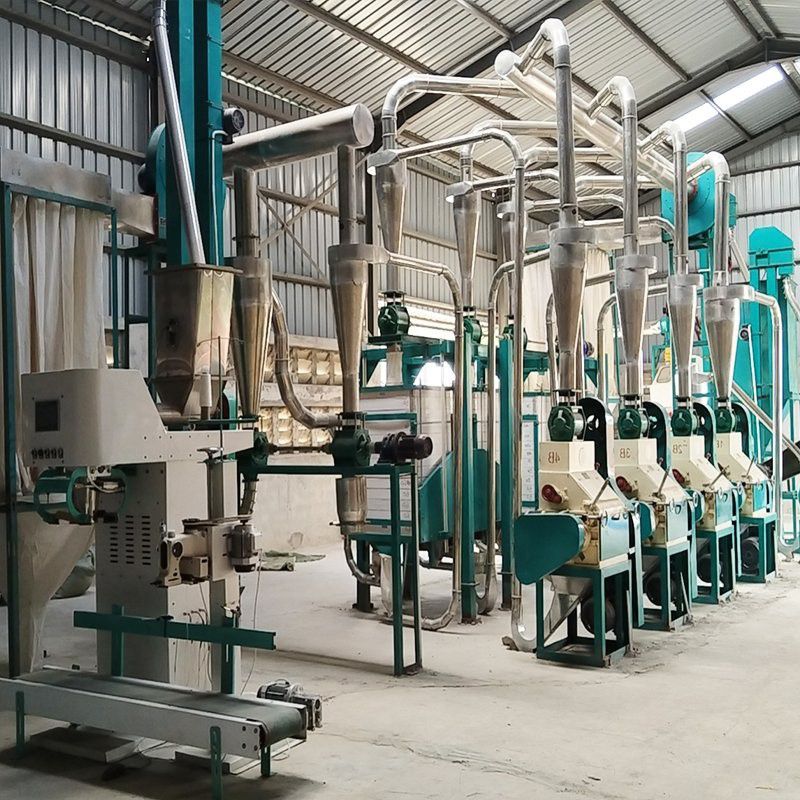
What does a production stop lead to?
Estimates for plants with a capacity of 250–500 tons/day from feedstock. Actual losses depend on capacity, shutdown duration, and restoration costs; these are not the measured losses of the surveyed plant.
About the project
- Client
- Flour production plant
- Industry
- Food industry
- Object
- Augers, fans, granulators, roller mill and air blower system
- The task
- Checking for signs of mechanical failure and leaks
- Equipment
- NAC-PA and NACEx-PU
- Software
- Aura SVS
The task
Inspect the flour mill's mechanisms and identify components with noise changes that require inspection. The inspection included augers, aspiration fans, granulators, roller mill equipment, and air blowers.
Particular attention was paid to drives, bearing assemblies, and pneumatic connections. The goal was to associate sound sources with equipment for maintenance planning.
Work noise, dust, and limited access complicate inspections. Inspections are conducted from agreed-upon safe positions, taking into account the conditions and requirements of the specific area.
The decision
The NAC-PA camera was used to localize the sound of mechanical components, and the NACEx-PU was used to locate ultrasonic leak sources. The frequency range and analysis parameters were tailored to the equipment and background noise.
The recordings were saved for subsequent analysis in Aura SVS and automated report generation. The acoustic map helps pinpoint a specific node, while the sound signature and recording comparison help prioritize additional testing.
How is the examination carried out?
Route and conditions of the survey
They determine control points, equipment operating modes, and accessible positions. They check the status of the cameras and agree on a patrol procedure.
Screw conveyors
Accessible bearing supports, motors, and gearboxes are checked. Pneumatic damper actuators and compressed air connections are inspected separately.
Aspiration fans
They compare the sounds of the drives and bearing assemblies. They check accessible air duct connections and seals for signs of leaks.
Granulators
The drive, bearing assemblies, and transmissions are inspected. Sound changes under comparable load conditions are recorded.
Rolling mill shop
Roller drives and bearings, pneumatic cylinders, valves, and blower lines are checked. Records are linked to specific machines and components.
Air blowers and compressors
Inspect fans and compressor drives, accessible piping, fittings, and hoses. Note sources for further inspection.
Report and maintenance plan
Aura SVS combines recordings, acoustic maps, and comments. After checking the nodes, maintenance and follow-up inspections are scheduled.
Result of the examination
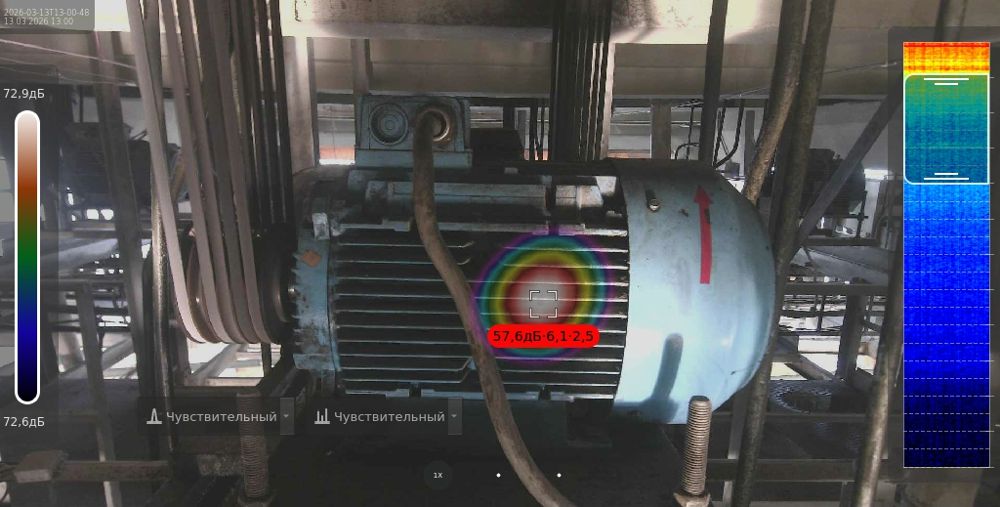
The image shows the source of the sound localized to the housing of the air blower system's electric motor. The recording allows this drive to be isolated for targeted inspection and further analysis.
The inspection data helps to create a list of components for maintenance and preserve the original data for comparison after repairs. The exact cause of the noise is determined during engine diagnostics.
Where applicable
Energy and heat supply
Drives, pumps, fans and accessible connections for steam and air systems.
Oil and gas and oil refining
Pumping and compressor units, gearboxes and gas communications.
Metallurgy and mining
Crushers, mills, conveyors and process line drives.
Pulp and paper industry
Machine shafts and gearboxes, vacuum and pressure systems.
Water utilities and treatment facilities
Pumps, blowers and compressors for aeration systems.
Cement and mining industry
Furnace and mill drives, pneumatic transport and compressed air systems.
Chemical Industry
Mixers, pumps, drives and process communications connections.
Food industry
Mills, separators, conveyors, compressors and bottling lines.
Transport and infrastructure
Drive equipment, ventilation systems and electrical installations.
Public utilities and housing and communal services
Pumping groups, heating stations and compressed air systems.
Equipment and Software
Cameras for checking mechanical components and searching for leaks, software for analyzing recordings and preparing reports.
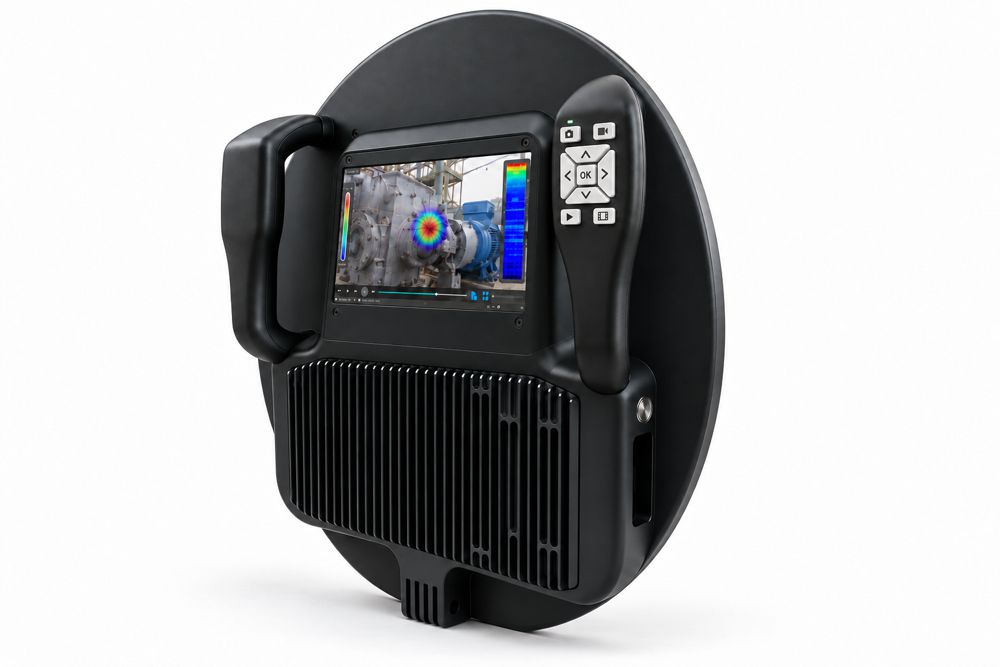 NAC-PAA portable acoustic camera for locating sound sources and detecting signs of mechanical failure.Overview
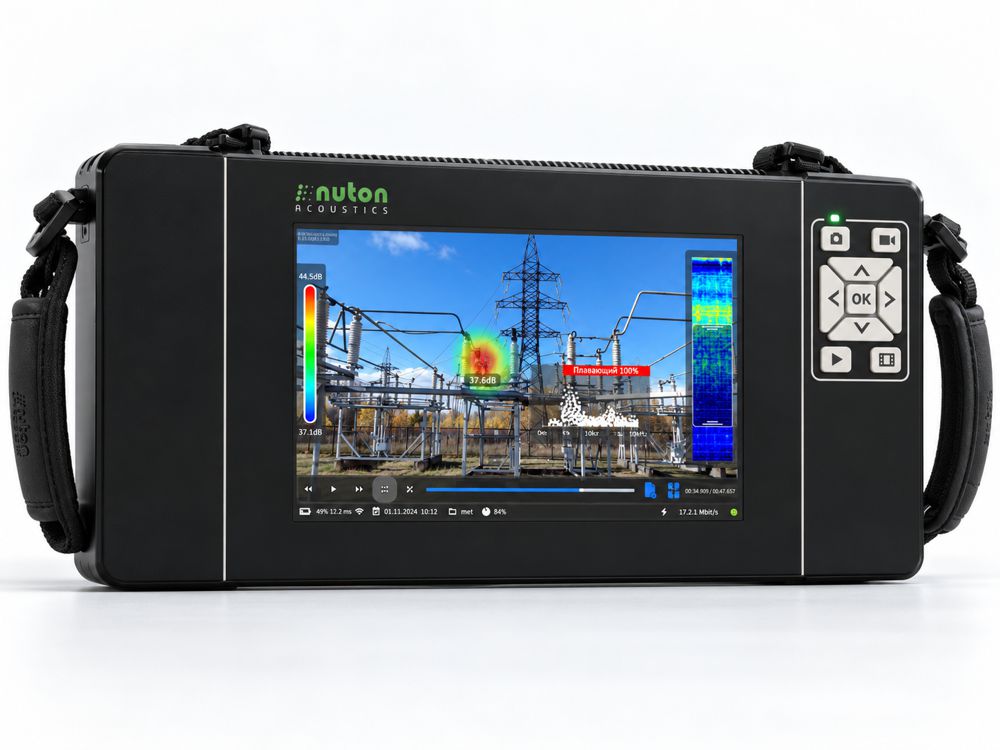 NACEx-PUVisual-acoustic flaw detector for searching for ultrasonic sources of leaks in equipment.Overview
 Aura SVSAnalysis of stored acoustic data and automated preparation of survey reports.About the software
Need to inspect production equipment?
Tell us about the components and operating conditions—we'll discuss the inspection and select cameras for mechanics and leak detection.
Discuss Your Needs
Leave your contact details, and we’ll get in touch within one business day to discuss your needs and find the right solution.